

Blog - Echoes of Faith: The Origin and Growth of Religious Konkani Hymns in Mangalore

Nov 2025
Echoes of Faith: The Origin and Growth of Religious Konkani Hymns in Mangalore
In the coastal city of Mangalore, where the Arabian Sea meets a deeply rooted Christian heritage, music has always been more than just melody, it has been prayer, history, and identity. Among the many linguistic and cultural expressions of the region, religious Konkani hymns occupy a special place. Sung in churches, homes, novenas, and processions, these hymns are living links to a faith shaped by centuries of devotion and cultural blending.
The Origins of Konkani Hymns in Mangalore
The history of religious Konkani hymns in Mangalore is closely tied to the arrival of Christianity through the Portuguese in the 16th century. When Portuguese missionaries reached the Konkan coast, they brought with them Latin liturgy, European hymn traditions, and Western musical notation. However, in their effort to spread Christianity among the local population, they soon realized the importance of using the mother tongue.
Konkani, already rich with folk tunes and poetic traditions, became a powerful medium for Christian worship. Early missionaries translated prayers and catechisms into Konkani, and over time, original hymns were composed in the language, blending Indian rhythms with Western harmonies.
These hymns were initially written in the Roman script, a legacy of Portuguese influence. This Roman-script Konkani continues to be used in many Mangalorean churches even today.
Music that Blended Two Worlds
What makes Mangalorean Konkani hymns unique is their beautiful fusion. Traditional Indian musical elements, such as raag-like melodies and rhythmic cycles, came together with Western hymn structures like verses, refrains, and four-part harmony. The results were songs that felt both local and universal.
Devotional themes included:
- Praise and worship of God
- The life and sacrifice of Jesus Christ
- Devotion to Mother Mary
- Songs for the saints and feast days
- Hymns for Advent, Christmas, Lent, Easter, and funerals
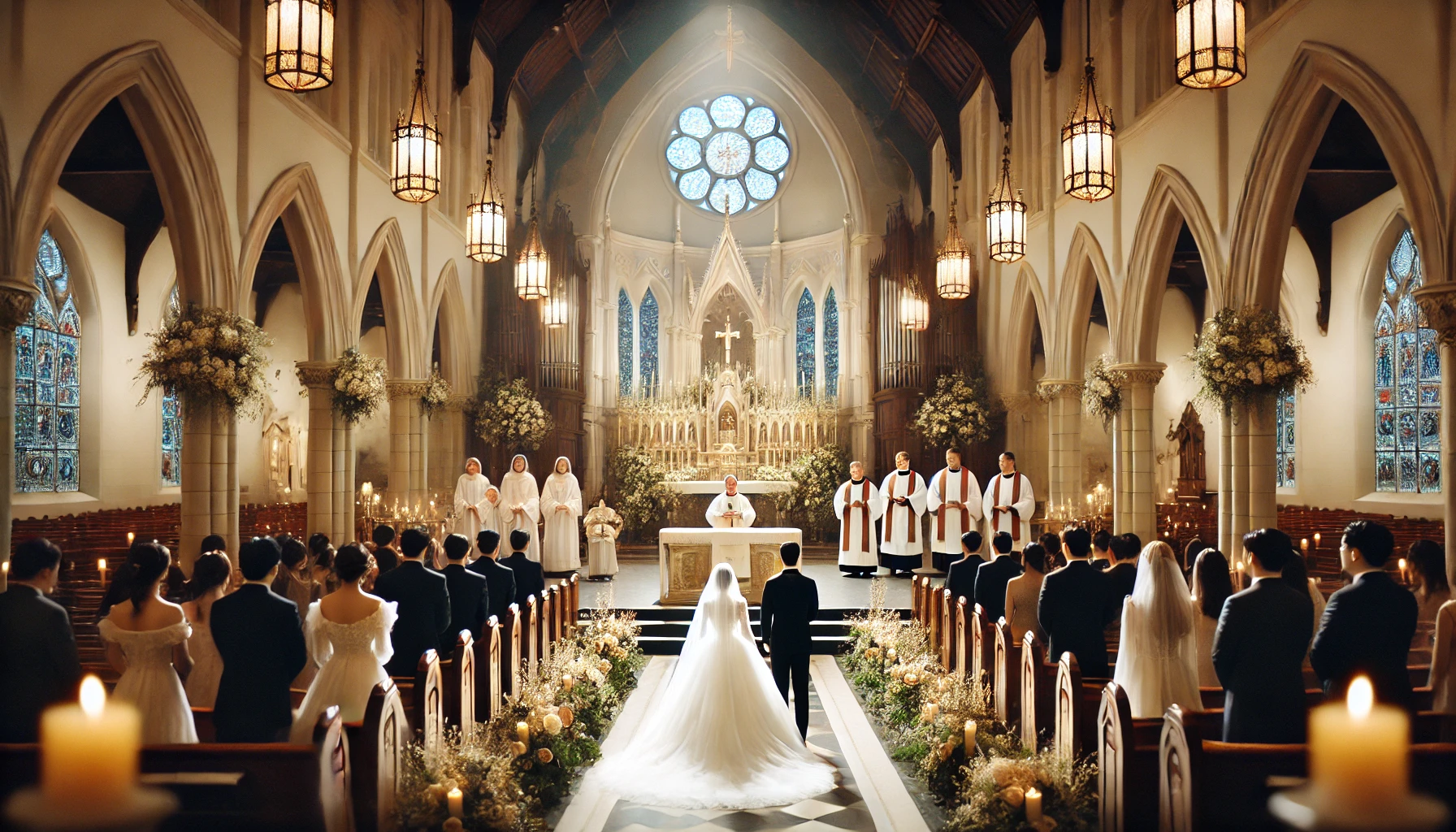
These hymns weren’t only sung in church. They became part of everyday life, at weddings, in household prayer, and during village feasts.
Important Contributors and Writers.
While many early hymns remain anonymous, passed down through oral tradition, several key figures played an immense role in shaping Konkani Christian hymnody in and around Mangalore:
1. Fr. Frederic Saldanha (S.J.)
Often called the Father of Konkani Christian hymnody, he composed numerous hymns that are still sung today. His songs were simple, poetic, and deeply spiritual, making them accessible to everyone.
2. Fr. Urban Saldanha
A pioneering Konkani linguist and composer, he systematized Konkani grammar and wrote hymns that were both theologically sound and literarily beautiful.
3. Fr. Lawrence D’Souza (Moodubelle)
He contributed significantly to liturgical hymns and composed music for Mass settings in Konkani.
4. Joachim & Marian Tauro
Popular composers and arrangers, they modernized Konkani hymns, introducing choral arrangements and contemporary musical elements without losing the sacred character.
5. Lorna Cordeiro and Wilfy Rebimbus
Their devotional songs, though more contemporary, bridged the gap between traditional hymns and modern spiritual music.
Many local priests, nuns, teachers, and choir masters also wrote songs for their parish feasts, novenas, and special occasions. Over time, these compositions became part of the common hymn repertoire.
Preservation Through Hymn Books.
With the spread of Catholic education in Mangalore, hymn books became essential. Collections such as:
- Konkani Hymnals used for Holy Mass
- Novenario (Novena books)
- Gayan Sursungram (song collections for choir)
helped standardize lyrics and made it easier for communities to learn and pass on hymns across generations.
Even today, choir leaders still treasure worn-out song books that have been handed down for decades.
Konkani Hymns in the Modern Era
In contemporary times, religious Konkani music has expanded into studios, YouTube channels, and live concerts. Parishes now release devotional albums, and youth choirs perform new compositions during retreats and conventions. Yet, the traditional hymns remain irreplaceable. They continue to be sung at the most important moments in life, baptisms, weddings, funerals, and feast-day celebrations.
In a rapidly modernizing world, these hymns anchor the Mangalorean Catholic community to its past. They are not just songs; they are archives of faith, carrying the voices of ancestors who once sang the same words in the same language.
A Living Tradition.
Religious Konkani hymns of Mangalore are more than a musical tradition. They represent a continuing conversation between faith and culture. As long as there are people who pray in Konkani, these hymns will live on , in church pews, family homes, and the quiet yet powerful memory of a community.

LEAVE A MESSAGE